
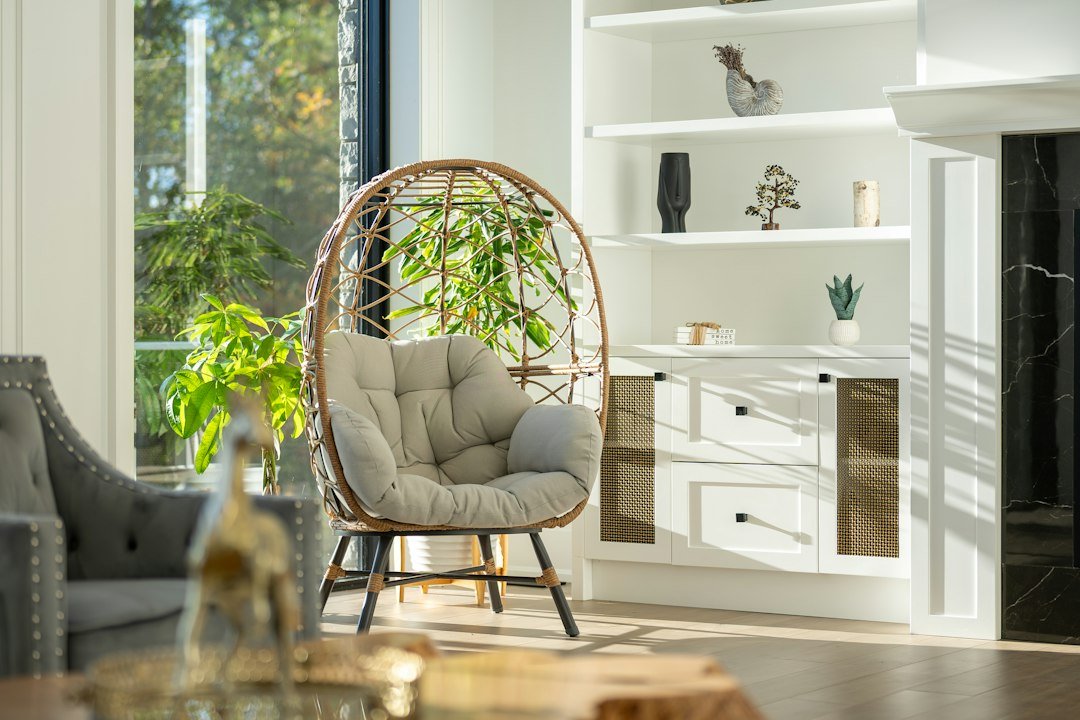
El Monte Fireplace Inserts, Planned Side by Side
From an open fireplace that wastes heat to one that warms the room.
Each card shows what the job covers. Inserts, gas logs and pellet repair are where most plans start, and the chimney work behind them follows. Open one to see how it is priced.
Chimney Sweep
Flue brushed top to bottom and the soot vacuumed away, so an open fireplace or a planned insert starts on a clean chimney.
Chimney Inspection
Flue, firebox, damper and crown looked over, with a written answer on whether to keep using, repair or upgrade the fireplace.
Chimney Repair
Cracked tiles, loose crowns, open joints and rusted caps put right, often as the groundwork for an insert or gas upgrade.
Fireplace Inspection
Firebox, damper, hearth, surround and any gas connection checked, with a plain answer on whether to keep, repair or replace.
Fireplace Repair
Firebrick, damper, doors and smoke chamber repaired so an open fireplace works properly while you decide on an upgrade.
Chimney Level 2 Inspection
Video scan from firebox to crown, booked before a sale, after a quake or before turning a fireplace into a gas insert.
Chimney Cap Installation
A fitted lid over the flue, measured to the tile or new liner, that turns rain away and screens out sparks and nesting birds.
Chimney Flashing Repair
The roof-to-chimney seal reset or replaced, so a rain leak does not spoil a new mantel, surround or insert install.
Chimney Masonry Repair
Worn joints, flaking brick and shaken stacks repaired so the chimney is sound enough to carry a new liner and cap.
Chimney Rebuilds
Leaning or quake-cracked chimneys taken down and rebuilt, with a new flue sized for the insert or stove you plan to run.
Fireplace Cleaning
Firebox, glass doors, hearth and surround cleaned, with a note on how the old opening would take an insert.
Gas Fireplace Cleaning
Burner, pilot, logs, glass and vent of a gas fireplace or insert cleaned, then the flame watched before you use it.
Gas Fireplace Repair
Pilots, igniters, valves and controls on gas fireplaces and inserts traced to the failed part and repaired.
Fireplace Remodel
New facing, hearth or mantel planned with the insert or gas logs, so the finish and the appliance fit together.
Fireplace Inserts
Gas, wood or pellet inserts sized to your firebox and room, lined to the top and fitted so the old fireplace heats.
Pellet Stove Repair
Pellet stoves and inserts that will not light, keep shutting down or soot the glass, traced and repaired at the part.
Wood Stove Repair
Door seals, firebrick, baffles and glass on wood stoves and wood inserts renewed so the fire burns slow and under control.
Gas Logs
Log sets for masonry fireboxes, compared by flame, warmth and venting, then fitted, connected and leak tested.
Chimney Seismic Retrofit
Brick chimneys braced, anchored or rebuilt lighter above the roof so a hard shake is less likely to bring the top down.
Chimney Crown Repair
Cracked or flat crowns sealed or recast with an overhang, so water stops reaching the brick and the liner top.
Dryer Vent Cleaning
Lint cleared from the dryer duct along its whole run, with the outside hood opened up, so loads dry and the duct stays clear.
Chimney Liner Installation
Stainless liners run full length for inserts, stoves and gas units, or to reline a cracked clay flue, finished with a cap.
Chimney Leak Repair
Water in the firebox, on the ceiling or down the wall traced to where it gets in, then sealed, flashed or capped.
Chimney Waterproofing
A breathable repellent on brick and mortar in good order, so rain stops soaking in, applied once any repairs are done.
Chimney Damper Repair
Rusted, warped or stuck dampers freed or replaced, or a top-mounted damper fitted when the open fireplace stays.
Chimney Chase Cover
Rusted tops on framed chimneys replaced with a stainless cover shaped to shed rain off the chase walls.
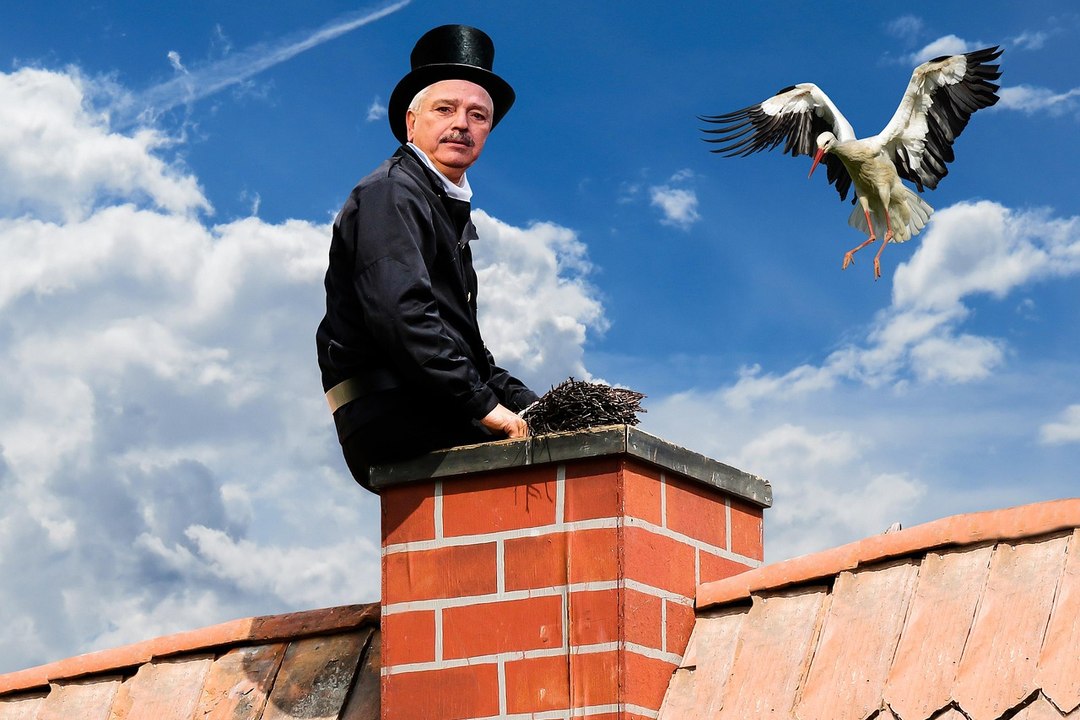
Tape and Camera
No insert gets named until the opening is measured and the flue has been filmed.
Which upgrade fits depends on the fireplace, so we measure first.
Chalmers Chimney Company works out of El Monte in the San Gabriel Valley, and the job we plan most is turning a pretty but chilly fireplace into one that heats the room.
That starts with numbers rather than brochures. The opening's width, depth and height narrow the insert choices, the flue decides the liner, and the room size and how often you light it point toward gas, wood or pellet.
Each route that fits goes on one written sheet with its price and upkeep, next to the cost of repairing what is already there. You choose; we fit it and show you how it runs.
Firebox and flue measured before a model is named
Running cost of each fuel set out plainly
Liner and cap included in every insert price
Repair priced next to the upgrade
Two Questions We Answer
Will it heat the room you sit in? Can the chimney carry it as it stands?
Both answers go on the sheet, with what each fix or upgrade costs.
Measured Before Priced
No insert is priced off a guess. We measure the opening, the flue and the room, so the unit fits the first time.
Options on One Page
Gas, wood, pellet or repair only: each route is set out with price, heat and upkeep so you can compare at the kitchen table.
Your Choice, in Writing
Work starts after you sign off on a written scope. If something changes once the old parts are out, we stop and price it before going on.
Working From El Monte
We are based in El Monte, and Baldwin Park, Monrovia and Pico Rivera are the towns we visit most.
Selling, listing, renting or fixing a fireplace?
Chalmers Chimney Company keeps four short guides for the jobs that come with a deadline or a signature: selling an older house, booking as a busy agent, keeping tenants safe around a fireplace, and repairs that pass through a city building office.
Selling an older house
A house from before 1980 is changing hands: what the camera looks for in its clay tiles, old damper and brick, and what that means for an insert later.
For busy agents
One contact for every listing and buyer deal: the same booking, the same report layout and the same price each time.
Rentals and tenant safety
For managers and HOA boards: the fireplace and carbon monoxide items we check in each unit, and the dated record you keep.
Repairs and city permits
Which chimney and insert jobs usually go through a city building office, which do not, and how the sign-off works.
Fuels, costs, liners and burn rules, answered
What owners in El Monte and nearby ask while they weigh an upgrade. Something else on your mind? ask through the form.
Plan the insert in late summer, sit by it in December.
Units and liners take time to order. Booking the measuring visit early leaves room to compare gas, wood and pellet without rushing the choice.
Plan a VisitForm requests answered 7:00 AM to 7:00 PM, seven days
Ask Chalmers to Ring You
A name, a number and the kind of fireplace. We call to book the measuring visit.
From an empty opening to a working insert
Measuring comes before pricing, chimney work before the appliance, and the handover last.
Tell Us What Is There Now
Send the form with what sits in the wall today, open brick, prefab, gas logs or a stove, and what you want from it: more heat, less mess or a new look. We call back to set a visit.
Measure and Scan
We measure the firebox, the room and the flue opening, and run a camera through the chimney wherever an insert is likely.
Options Side by Side
A written sheet compares the routes that fit, from insert types to gas logs to repair only. Each line shows price, heat and upkeep.
Groundwork First
Any repair the chimney needs, crown, cap, joints or liner, is done or booked before the new appliance goes in.
Install and Handover
The unit is fitted, connected and tested, the room is cleaned, and we show you the controls and the yearly care it needs.
Call-backs go out 7:00 AM to 7:00 PM, Monday through Sunday.
Insert and stove work out from El Monte across the valley
Every town below has a page on the housing stock we see there and the options that usually suit it. Search by name or ZIP.
El Monte
Our home base, river to river in the valley
Post-war bungalows and tracts make up much of town, and 69% of homes predate 1980. Many of those brick or block chimneys were later handed gas logs, so we set out the choice: keep the logs, or fit a sealed insert that warms the room.
Baldwin Park
Owner-heavy tract city just east of the base
With 58% of households owning and 68% of homes detached, plenty of people here can plan a real upgrade. A 1950s brick firebox fitted with gas logs is a natural candidate for an insert, and gas versus wood gets weighed on heat, venting and fit.
Monrovia
Foothill town below the San Gabriel Mountains
Older houses here lean on brick masonry, some faced in river rock, and 28% of homes went up before 1950. A wide old firebox like that sends much of its heat up the flue, so we measure it and lay out insert sizes that would suit it.
Pico Rivera
Owner-occupied tract city on the river plain
Here 86% of homes were built before 1980 and 71% are owner-occupied, and brick is the usual tract firebox. We put a gas insert and a wood insert next to each other, with sizing and liner needs for that opening.
Farther Out
136 more town pages
Same fireplace, different town
What an upgrade involves shifts with the age of the house
Postwar tracts tend to have shallow brick fireboxes. Newer builds often have a factory metal box. Foothill homes sit in more wind. The plan we write starts from what your house already has.
Firebox size
We measure the opening first, since depth and height decide which inserts and log sets will fit at all.
Flue condition
An insert needs a sound route for its liner. Cracked tile or a loose crown changes the order of the work.
Gas or pellets
Whether a gas line already reaches the hearth often settles the choice between a gas insert and a pellet unit.